


How Do I Clean My Restaurant Table Tops?

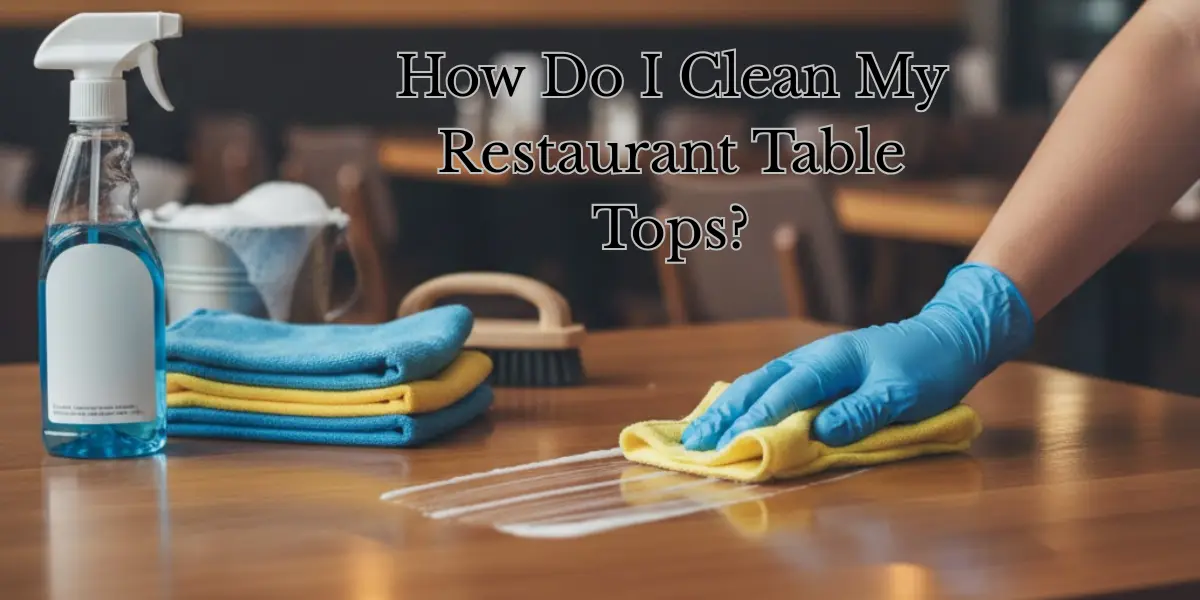
How Do I Clean My Restaurant Table Tops?
Keeping restaurant table tops clean is not just about appearance. It directly affects food safety, customer trust, online reviews, and compliance with health regulations. When guests walk into your restaurant, one of the first things they subconsciously check is the table surface. Sticky, stained, or poorly cleaned tables instantly damage credibility, no matter how good the food is.
If you’re asking “How do I clean my restaurant table tops properly?”, this guide gives you a step-by-step, material-specific, health-code-friendly cleaning system that actually works in real restaurants.
Why Proper Restaurant Table Top Cleaning Is Critical?
Restaurant tables are high-touch surfaces. Customers place hands, phones, bags, cutlery, and food directly on them. This makes table tops one of the highest contamination risk areas in any food service environment.
Poor table hygiene can lead to:
- Cross-contamination
- Foodborne illness complaints
- Failed health inspections
- Bad Google reviews
- Loss of repeat customers
On the other hand, clean and well-maintained tables improve:
- Customer confidence
- Dining comfort
- Perceived food quality
- Brand reputation
The Golden Rule of Restaurant Table Cleaning
Cleaning and sanitizing are not the same thing.
A perfect table-cleaning process always follows this order:
Remove debris → Clean → Rinse → Sanitize → Air-dry
Skipping any step reduces effectiveness and may violate health codes.
Step-by-Step: How to Clean Restaurant Table Tops Properly
Step 1: Clear and Pre-Wipe the Table
Before using any liquid cleaner:
- Remove plates, glasses, crumbs, napkins, and debris
- Use a dry disposable towel or scraper to remove stuck food
Step 2: Clean the Surface (Degreasing Stage)
Use a food-safe restaurant surface cleaner or mild detergent mixed with warm water.
This step removes:
- Grease
- Food spills
- Sugars
- Oils
Use a clean microfiber cloth (not reused from another table).
Key rule:
One cloth = one table
Step 3: Rinse (Often Ignored but Very Important)
Detergent residue attracts dirt and leaves streaks.
Use:
- Clean water
- A separate cloth
This step is crucial for:
- Wooden tables
- Laminate tables
- Stone surfaces
Step 4: Sanitize the Table Top
This is where safety happens.
Use:
- Approved food-contact surface sanitizer
- Correct dilution (too strong = unsafe, too weak = useless)
Let the sanitizer sit for the recommended contact time (usually 30–60 seconds).
Step 5: Air Dry (Never Hand Dry)
Allow tables to air dry naturally.
Hand drying reintroduces bacteria.
How to Clean Different Types of Restaurant Table Tops?
Not all table tops are the same. Cleaning them incorrectly can cause damage, stains, or long-term wear.
Wooden Restaurant Table Tops
Wood is porous and needs special care.
Best practices:
- Use mild soap + warm water
- Never flood the surface
- Always dry quickly
Avoid:
- Bleach
- Excess water
- Harsh chemicals
Laminate Table Tops
Laminate is common in casual dining.
Cleaning method:
- Mild detergent
- Soft microfiber cloth
- Light pressure
Avoid:
- Abrasive scrubbers
- Steel wool
Marble or Stone Table Tops
Stone looks premium but stains easily.
Best cleaning approach:
- pH-neutral cleaner
- Soft cloth
Avoid:
- Vinegar
- Lemon
- Acidic cleaners
Glass Table Tops
Glass shows fingerprints instantly.
Use:
- Alcohol-based glass cleaner
- Lint-free cloth
Stainless Steel Tables
Common in cafés and modern restaurants.
Best practice:
- Mild detergent
- Wipe in grain direction
- Dry completely
How Often Should Restaurant Tables Be Cleaned?
After every guest – full clean + sanitize
During service – spot clean spills immediately
End of day – deep clean
Weekly – inspect for damage, stains, loose joints.
Common Restaurant Table Cleaning Mistakes (Avoid These)
These mistakes are shockingly common:
- Using the same cloth on multiple tables
- Spraying sanitizer directly onto dirty surfaces
- Skipping rinse step
- Overusing bleach
- Using household cleaners not approved for food areas
- Wiping tables dry with used cloths
Best Cleaning Tools for Restaurant Table Tops
Your tools matter as much as your technique.
Recommended:
- Color-coded microfiber cloths
- Food-safe surface cleaners
- Approved sanitizers
- Spray bottles with correct dilution labels
Staff Training: The Missing Link
Even the best cleaning products fail if staff aren’t trained.
Train staff on:
- Correct cleaning order
- Proper sanitizer dilution
- Cloth usage rules
- Why air drying matters
Post a simple table-cleaning SOP in staff areas.
Health Code & Hygiene Compliance
Most health authorities require:
- Cleaning between customers
- Approved sanitizers
- Proper contact time
- Clean cloth storage
Failure to comply can result in:
- Fines
- Warnings
- Temporary closure
How Clean Tables Improve Reviews & Revenue?
Customers may not compliment clean tables but they will complain about dirty ones.
Clean tables lead to:
- Better Google reviews
- Higher customer trust
- Longer stays
- Repeat visits
In hospitality, cleanliness = credibility.
Final Thoughts: The Right Way to Clean Restaurant Table Tops
If you want your restaurant to look professional, pass inspections, and earn customer trust, table top cleaning must be systematic not casual.
The perfect approach is simple:
- Remove debris
- Clean
- Rinse
- Sanitize
- Air dry
Do it consistently, train your staff properly, and use the right products. Clean tables are not just hygiene they are part of your brand experience.


