


Unique Restaurant Table Ideas to Enhance Restaurant Dining Room Ambience

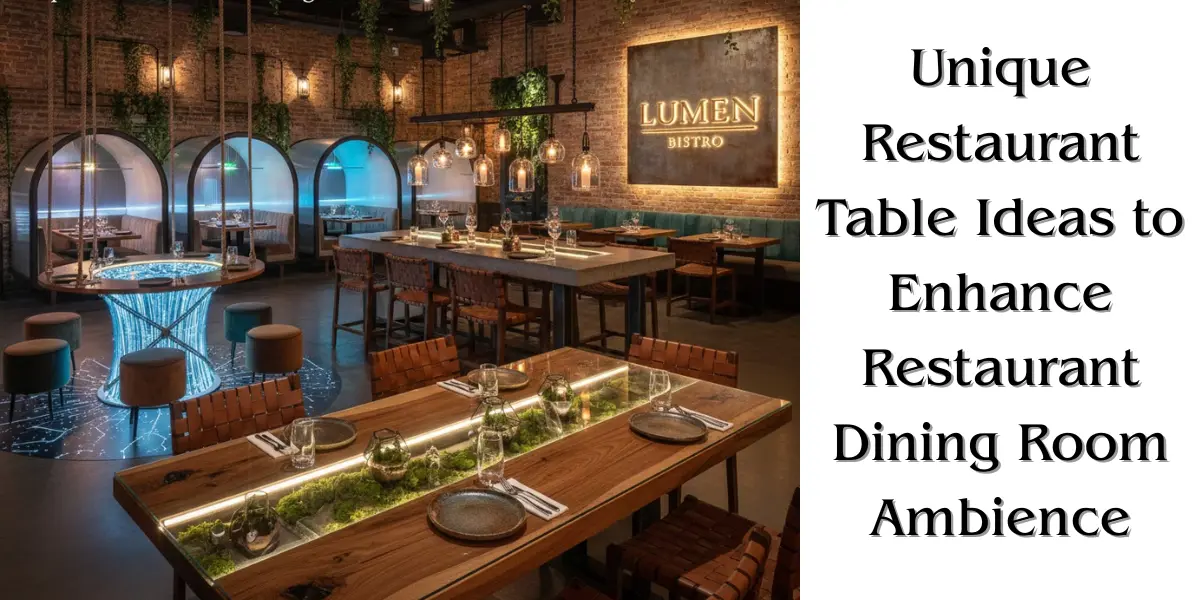
Unique Restaurant Table Ideas to Enhance Restaurant Dining Room Ambience
When people think about restaurant design, they often focus on lighting, wall décor, or seating. Tables are usually treated as functional objects something to place plates and glasses on. In reality, restaurant tables play a massive role in shaping dining room ambience. They influence how guests feel, how long they stay, how comfortable they are, and even how premium your restaurant appears.
A well-designed table does more than hold food. It communicates your brand, complements your menu, and subtly affects customer behavior. If you run a fine-dining restaurant, a café, a casual bistro, or a themed eatery, your choice of tables can elevate the entire experience.
This guide explores unique restaurant table ideas that go beyond the ordinary. These ideas focus on design, materials, shapes, finishes, and concepts that enhance ambience while staying practical for real-world restaurant operations.
Solid Wood Tables for Warm, Inviting Ambience
Solid wood tables are timeless for a reason. They bring warmth, texture, and authenticity into a dining space. Restaurants that want a welcoming, grounded feel often rely on wood as the primary table material.
Reclaimed wood tables are especially popular for restaurants that want character. Each table tells a story through knots, grain variations, and imperfections. This works beautifully in farm-to-table restaurants, cafés, and casual dining spaces.
For a more refined look, hardwoods like oak, walnut, or teak offer durability with elegance. When paired with matte finishes or natural oils, these tables age gracefully instead of looking worn.
Live-Edge Tables for Natural Drama
Live-edge tables keep the natural edge of the wood intact instead of cutting it straight. This creates a striking, organic look that immediately becomes a focal point.
These tables work exceptionally well in modern, rustic, or upscale dining rooms where you want guests to notice craftsmanship. A live-edge communal table, in particular, can elevate the ambience and encourage shared dining experiences.
Because no two live-edge tables are the same, they add exclusivity to your space. Guests often remember these details, making them ideal for restaurants that rely on repeat visits and word-of-mouth.
Marble and Stone Tables for Luxury Appeal
Marble and stone tables instantly signal sophistication. They reflect light beautifully and add a sense of weight and permanence to the dining room.
White marble creates a clean, high-end feel, while darker stones like black marble or granite add drama and intimacy. Stone tables are popular in fine-dining restaurants, wine bars, and upscale cafés.
To balance the coldness of stone, many restaurants pair marble tops with warm wood or brass bases. This contrast keeps the space elegant without feeling sterile.
Terrazzo Tables for Contemporary Style
Terrazzo has made a strong comeback in modern restaurant interiors. With its speckled patterns and customizable color options, terrazzo tables add personality without overwhelming the space.
These tables work well in contemporary cafés, dessert bars, and casual dining spots that want a playful yet polished look. Terrazzo is also durable and easy to maintain, which makes it practical for high-traffic restaurants.
The key is color selection. Neutral terrazzo creates subtle elegance, while bold color chips can energize the dining room.
Metal Tables for Industrial Ambience
Metal tables bring an edgy, urban feel to restaurant interiors. Stainless steel, iron, or powder-coated metal tables are commonly used in industrial-style restaurants, bars, and modern eateries.
Metal tables are highly durable and resistant to wear, making them suitable for busy environments. To soften the look, many restaurants combine metal tops with wooden accents or textured finishes.
Dark metal tables work well in moody, low-light dining spaces, while lighter finishes feel clean and contemporary.
Mixed-Material Tables for Visual Interest
One of the most effective ways to create unique tables is by combining materials. Wood and metal, stone and brass, concrete and timber these combinations add depth and sophistication.
Mixed-material tables feel custom and intentional. They allow restaurants to reflect their brand identity more clearly than single-material designs.
For example, a wood top with a sculptural metal base can feel artistic and modern. A stone top with wooden legs can balance luxury with warmth.
Round Tables for Intimacy and Flow
Round tables change how people interact. Without sharp corners, they encourage conversation and eye contact, making them ideal for social dining.
Restaurants with limited space often use round tables to improve circulation and reduce visual clutter. They also work well in fine-dining settings where intimacy matters.
Using a mix of round and rectangular tables adds variety and prevents the dining room from feeling rigid or repetitive.
Communal Tables for Shared Experiences
Communal tables create a sense of connection and energy. They work especially well in cafés, casual restaurants, breweries, and modern dining concepts.
A long communal table becomes a visual anchor in the dining room. It signals openness and encourages social interaction among guests.
From an operational perspective, communal tables also improve seating efficiency during peak hours.
Custom-Shaped Tables for Creative Concepts
Not every table needs to be rectangular or round. Custom shapes like oval, hexagonal, asymmetrical can reinforce a restaurant’s unique identity.
These tables work best in concept-driven restaurants where design plays a major role in branding. When done thoughtfully, custom shapes feel intentional rather than gimmicky.
The key is balance. Unique shapes should still allow comfortable seating, easy service, and smooth movement for staff.
Foldable and Modular Tables for Flexible Layouts
Restaurants that host events, private dining, or changing group sizes benefit from modular table designs. Tables that can be joined, separated, or folded provide flexibility without sacrificing style.
This is especially useful for urban restaurants where space must adapt throughout the day. Breakfast service may require smaller tables, while evening service may need larger group seating.
Modular tables allow you to adjust ambience based on time, crowd, and occasion.
High-Top Tables for Casual Energy
High-top tables add a casual, lively vibe to dining spaces. They are commonly used in bars, cafés, and modern restaurants.
These tables encourage shorter stays and faster turnover, which can be beneficial for high-traffic venues. When combined with bar stools or high chairs, they create a relaxed, social atmosphere.
Placing high-top tables near windows or bar areas helps define different zones within the dining room.
Outdoor-Inspired Tables for Indoor Spaces
Bringing outdoor table designs indoors is a growing trend. Concrete tops, weathered wood, and raw finishes create a relaxed, nature-inspired ambience.
These tables work well in restaurants that want a natural, earthy feel without relying heavily on décor. They pair beautifully with plants, natural lighting, and neutral color palettes.
Artistic Tables as Statement Pieces
Some restaurants use tables as art. Sculptural bases, hand-painted tops, or handcrafted details turn tables into conversation starters.
These statement tables are best used selectively perhaps in private dining areas or as feature pieces so they don’t overwhelm the space.
Artistic tables help differentiate your restaurant and create memorable experiences that guests share on social media.
Color-Treated Tables for Brand Expression
Tables don’t always have to stay neutral. Thoughtfully chosen colors can reinforce branding and mood.
Soft pastels create a calm, modern café vibe. Deep jewel tones add richness to upscale dining rooms. Matte black tables feel bold and contemporary.
The key is consistency. Table colors should complement walls, flooring, and seating rather than compete with them.
Sustainable Tables for Eco-Conscious Dining
Sustainability matters more than ever. Tables made from reclaimed wood, recycled materials, or responsibly sourced timber appeal to eco-conscious guests.
Beyond ethics, sustainable tables often have unique textures and stories that enhance ambience. Guests appreciate knowing that design choices align with values.
This approach works particularly well for cafés, plant-based restaurants, and modern hospitality brands.
Practical Considerations That Protect Ambience
Even the most beautiful table can hurt ambience if it’s impractical. Stability is non-negotiable. Wobbly tables instantly break the dining experience.
Table height, leg placement, and surface durability all matter. Finishes should resist stains, scratches, and heat without constant maintenance.
Choosing the right balance between aesthetics and functionality ensures your tables enhance ambience long-term, not just on opening day.
Final Thoughts
Restaurant tables are not background elements. They are central to how your dining room looks, feels, and functions. Unique table choices can elevate ambience, strengthen branding, and improve guest satisfaction without changing the menu.
If you choose handcrafted wood, luxurious stone, modern terrazzo, or custom designs, the goal is alignment. Tables should reflect your restaurant’s personality, support comfort, and create a cohesive atmosphere.


