


FF&E and OS&E : A Complete Guide

FE&E and OS&E: A Complete Guide
In the dynamic world of furniture design and retail, the synergy between Furniture, Fixtures, and Equipment (FE&E) and Operating Supplies and Equipment (OS&E) shapes its landscape. This guide aims to solve the complex tapestry of FE&E and OS&E, delving into their definitions, applications, and importance within the furniture domain.
FE&E contains the core features that transform a space into a functional and visually attractive setting. From the elemental pieces of furniture to the built-in fixtures that improve functionality and the technological equipment seamlessly incorporated into modern designs, FE&E creates the spine of the furniture industry. Meanwhile, Operating Supplies and Equipment (OS&E) present consumables and maintenance tools that satisfy the holistic understanding of furniture ownership, emphasizing the convergence of usefulness and innovation. Let’s understand these things in detail. So, let’s get started.
Definition of FE&E (Furniture, Fixtures, and Equipment)
Furniture
Furniture is the portable items in your space, it could be something like a table, sofa, bed, or storage unit.
Fixtures
Fixtures are the permanent parts of a structure, making it function and look exemplary. This has built-in items like lights, faucets, and cabinets. Think of a kitchen with built-in cabinets and stylish lights.
Equipment
Equipment is anything in a space that serves a purpose, such as kitchen appliances or electronics. High-tech ovens and fancy coffee makers are examples of modern kitchen equipment.
READ MORE:- car furniture
Definition of OS&E (Operating Supplies and Equipment):
Operating Supplies
Operating Supplies are items you need every day and can run out, like towels, toiletries, and decor items. It’s what you get in your hotel room, such as soft towels and free shampoo.
Operating Equipment
Operating Equipment is the stable things you require for everyday chores, like housekeeping carts and cleaning tools.
The Importance of FE&E in Furniture Design
In the dynamic world of furniture design, Furniture, Fixtures, and Equipment (FE&E) stand as the foundation of practical and visually attractive areas. Understanding the significance of each piece within FE&E is important for making environments that not only look outstanding but also benefit their planned objective effectively.
Functional Aspect of Furniture
Understanding Furniture’s Role in Space
Furniture is not only about serving a room; it plays a vital function in determining the functionality and pursuit of a space. Each piece serves a specific function, whether it’s a comfortable sofa for relaxation, a sturdy table for work or dining, or a storage unit to maintain an organized setting. Identifying and optimizing the functionality of each furniture item guarantees that a space aligns seamlessly with the requirements and lifestyle of its residents.
Ergonomics and Design Integration
Ergonomics, the study of people’s efficiency in their working environment, is a vital concern in furniture design. Well-designed furniture takes into account the comfort and well-being of users, promoting efficiency and preventing discomfort or injury. This section explores how ergonomic principles contribute to the creation of furniture that enhances both physical and psychological well-being. Further, we delve into the integration of ergonomic design with overall aesthetic attraction for a pleasant and user-friendly space.
Aesthetics and Visual Appeal
Impact of Furniture on the Environment
Exceeding functionality, furniture significantly affects the atmosphere and mood of a space. This section examines how different styles, materials, and designs contribute to the overall aesthetic appeal of a room. From classic and timeless designs to contemporary and cutting-edge concepts, the visual language of furniture plays a pivotal role in creating atmospheres that resonate with the intended theme or mood.
Role of Fixtures in Enhancing Visual Appeal
Fixtures, the permanent features of a structure, add another layer to the visual appeal of a space. Built-in items like lights, faucets, and cabinets not only contribute to functionality but also serve as design elements. We explore how fixtures seamlessly blend with furniture to create cohesive and visually striking interiors.
Integration of Technological Equipment
Advancements in Furniture Technology
In the modern era, furniture is not limited to traditional forms; it has embraced technological advancements. This section discusses the integration of smart features, IoT (Internet of Things) capabilities, and innovative materials in furniture design. From multifunctional pieces to furniture that adapts to users’ preferences, technological advancements redefine the boundaries of what furniture can achieve.
How Technology Elevates Furniture Design
The synergy between technology and furniture design goes above mere gadgetry. It improves user experience, introduces energy-efficient solutions, and contributes to the sustainability of furniture products. This exploration sheds light on how technology serves as a catalyst for innovation in the realm of furniture, ensuring that designs not only meet but exceed the evolving needs of the modern world.
The Importance of OS&E for Furniture
Operating Supplies and Equipment (OS&E) include the consumables and tools that complete the holistic understanding of furniture ownership. In this section, we delve into the complicated pieces of OS&E, exploring not only their operational functions but also their effect on the overall aesthetics and maintenance of space.
Understanding the Role of Operating Supplies
Daily Consumables in Furniture Ownership
Operating Supplies contain a range of daily consumables that contribute to the comfort and convenience of individuals within a space. From the soft touch of high-quality towels to the aroma of thoughtfully selected toiletries, these consumables upgrade the user experience. This segment explores the significance of choosing the right daily consumables, weighing factors such as quality, sustainability, and user preferences. Whether in a hotel setting or a residential space, the careful selection of operating supplies adds a layer of luxury and personalization to the overall ambiance.
Significance of Thoughtful Decor Items
Beyond the purely practical, operating supplies extend to decor items that enhance the visual appeal of a space. These items not only serve as decorative elements but also play a crucial role in creating a cohesive and harmonious design. We discuss the art of balancing functionality with aesthetics when selecting decor items as part of the overall OS&E strategy.
Necessity and Functionality of Operating Equipment
Housekeeping Essentials in Different Settings
Operating Equipment encompasses the stable tools required for daily chores and maintenance. This segment focuses on the essential housekeeping tools that vary across different settings, such as hotels, residential spaces, or commercial environments. From housekeeping carts stocked with cleaning supplies to specialized tools for different surfaces and materials, understanding the specific needs of each setting is essential. The guide provides insights into optimizing the selection of operating equipment to ensure efficient maintenance and a clean, well-kept environment.
Evolution of Cleaning Tools and Maintenance Equipment
As technology and innovation progress, so do the tools used for cleaning and maintenance. This part of the guide explores the evolution of cleaning tools and maintenance equipment, from traditional brooms and mops to advanced robotic vacuum cleaners and smart maintenance solutions. We discuss the benefits of embracing new technologies in improving efficiency, reducing environmental impact, and enhancing the overall user experience. Understanding the latest trends in cleaning tools allows for informed decisions that align with the principles of sustainability and effectiveness in furniture maintenance.
READ MORE:- cafe counter designs
FE&E and OS&E: Synergy and Industry Applications
The synergy between Furniture, Fixtures, and Equipment (FE&E) and Operating Supplies and Equipment (OS&E) is not just a conceptual alignment; it is a dynamic relationship that significantly influences the design and functionality of spaces. This section explores the symbiotic nature of FE&E and OS&E, examining how their integration shapes both hospitality and residential environments.
Symbiotic Relationship between FE&E and OS&E
How OS&E Complements Furniture Design
Operating Supplies and Equipment play a crucial role in complementing and enhancing furniture design. This segment delves into the ways OS&E elements, such as decorative items, soft furnishings, and ambient lighting, synergize with the furniture to create a harmonious and inviting space. From coordinating color schemes to aligning textures, understanding how OS&E elements complement furniture design adds depth and character to interior spaces.
FE&E and OS&E Integration in Hospitality vs. Residential Settings
The integration of FE&E and OS&E varies across different settings, with hospitality and residential environments offering unique challenges and opportunities. The nuances of FE&E and OS&E integration in hospitality, where the guest experience is paramount. From carefully curated room amenities to specialized furniture solutions, the symbiotic relationship between FE&E and OS&E is tailored to meet the distinct needs of hotels and other hospitality establishments. Conversely, in residential settings, the focus shifts to personalization and long-term comfort, examining how FE&E and OS&E contribute to creating spaces that feel like home.
Industry-Specific Applications
In the various landscape of furniture design, the fusion of Furniture, Fixtures, and Equipment (FE&E) with Operating Supplies and Equipment (OS&E) manifests uniquely across different industries. Tailoring design solutions to distinct contexts is key to optimizing the effect of FE&E and OS&E integration.
Examples of FE&E and OS&E in Hotel Design
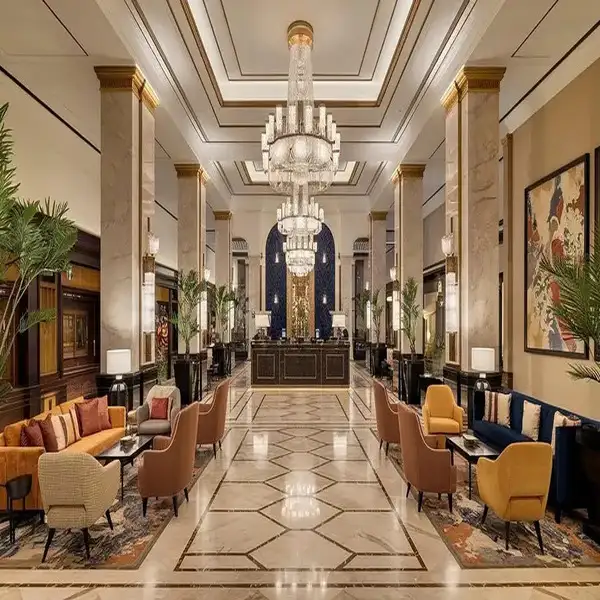
Hotel design demonstrates how the interplay of FE&E and OS&E contributes to a remarkable guest experience. From the lobby to guest rooms, particular furniture choices, intelligent fixtures, and well-chosen operating collections improve the environment and functionality of spaces.
Integrating FE&E and OS&E in Residential Spaces
Residential spaces present a great opportunity for personalization, and the integration of FE&E and OS&E is tailored to individual lifestyles. Furniture options integrate aesthetics with functionality while operating supplies align with everyday practices for improved comfort.
Optimizing FE&E and OS&E Selection
Considerations for Effective Choices
When steering the complex landscape of FE&E and OS&E selection, careful considerations are important for making selections that align with project goals. In terms of budgeting and investment strategies, it is important to select a well-defined budget and prioritize expenditures based on project requirements. This involves a complete understanding of the cost importance associated with different furniture, fixtures, equipment, and operating supplies. Furthermore, adopting a lifecycle cost analysis approach guarantees a holistic perspective that contains maintenance expenses, potential replacements, and overall durability, guaranteeing that investments are both cost-effective in the short term and sustainable in the long run.
In the world of sustainability and long-term viability, a focus on material selection and environmental impact is paramount. This involves exploring eco-friendly materials for both FE&E and OS&E, weighing factors such as recyclability, renewable resources, and the environmental footprint of production processes. Additionally, energy efficiency in operating equipment is underlined, enabling the choice of appliances and tools aligned with energy conservation goals. Adhering to certifications and industry standards related to sustainability is also discussed, ensuring that the chosen elements align with recognized environmental and ethical concerns.
Tips for Streamlined Selection Processes
Streamlining the FE&E and OS&E selection process involves adopting collaborative strategies that capitalize on the expertise of different stakeholders. In terms of collaborative approaches, stakeholder involvement is emphasized as a key factor for success. Early involvement of designers, clients, and suppliers guarantees that various perspectives are taught, contributing to a comprehensive and well-informed choice. Promoting an integrated design team process further breaks down silos between different aspects of design, fostering collaboration among architects, interior designers, and specialists in FE&E and OS&E. This cohesive team effort leads to more effective decision-making and a streamlined selection process.
Balancing aesthetics with practicality is a central theme in the selection process. Achieving design harmony involves thoughtful coordination of visual elements such as color, texture, and placement of furniture and fixtures. This approach ensures that the selected FE&E not only enhances the overall aesthetic appeal of a space but also aligns seamlessly with its functional requirements. Prioritizing user-centered design is emphasized, understanding the needs and preferences of end-users to create spaces that are not only visually pleasing but also highly functional and user-friendly. Considerations such as ergonomics, accessibility, and usability testing play a crucial role in the design process, contributing to a streamlined and user-centric selection.
Final Take
In the dynamic world of furniture design, the synergy between FE&E and OS&E has been unveiled as a nuanced art, shaping spaces with both form and functionality. As we conclude this insightful journey, the principles explored find resonance in the ethos of Suren Space, a leading furniture manufacturer and supplier. Here, innovation meets sustainability, and design excellence is paramount. Seamlessly integrating technology, Suren Space transforms spaces into narratives of enduring aesthetic appeal and purposeful functionality. Explore their collections, and let the guide’s insights harmonize with the philosophy of Suren Space, guiding your choices and inspiring creations. In the evolving landscape of design, may every piece tell a story, and every space, enriched by the thoughtful selection of FE&E and OS&E, become a testament to timeless design brilliance.
READ MORE: – 6 Weaving Techniques of Rattan & Bamboo Bathroom Storage Baskets
Hotel Furniture
Restaurant Furniture
Hotel Bathroom Furniture
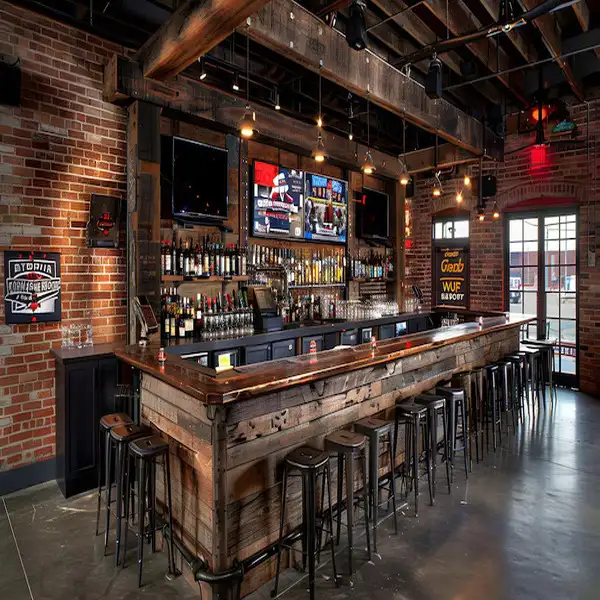
Industrial and Rustic Furniture
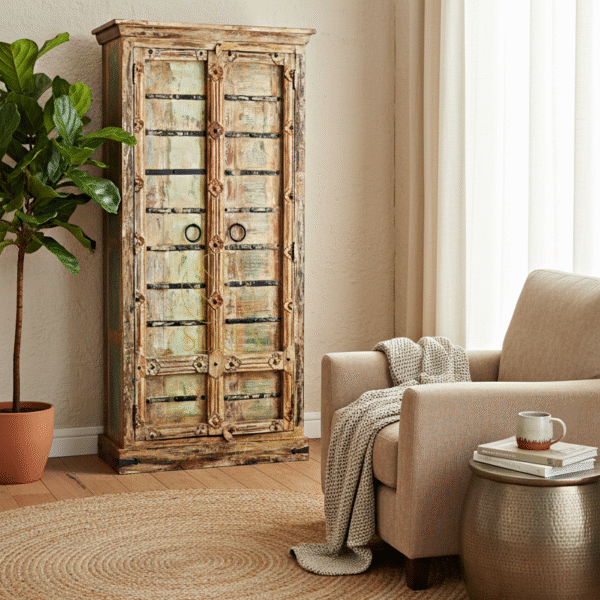
Reclaimed and Recycled Furniture
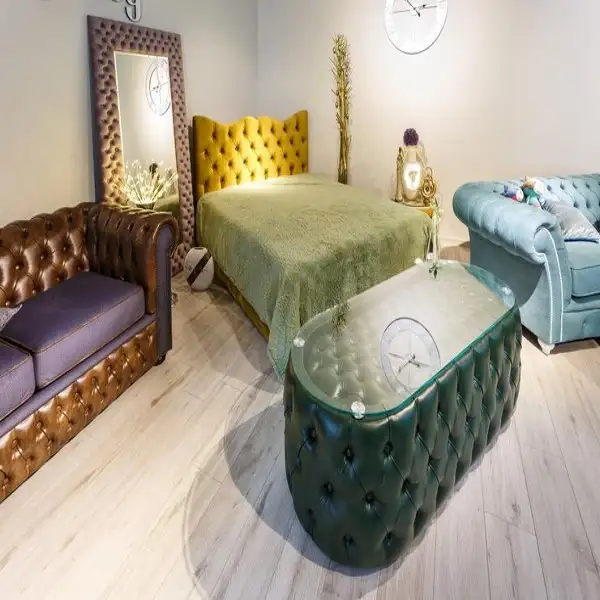
Leather and Upholstery Furniture
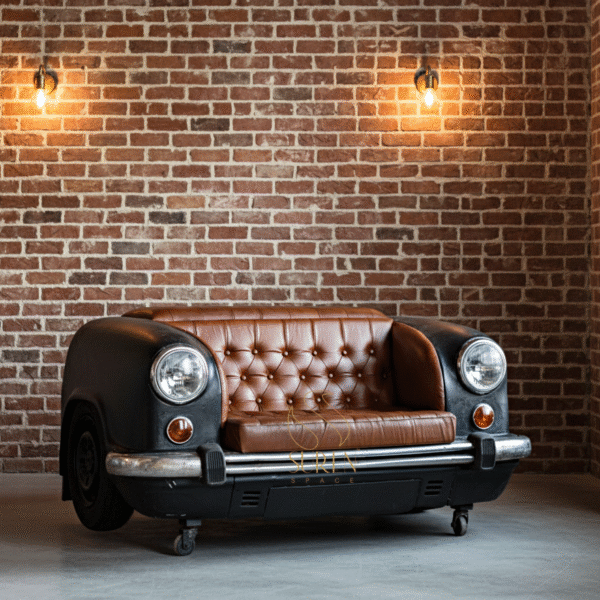
AUTOMOBILE | AUTOMOTIVE FURNITURE
Curved, Carved & Bent Furniture
Colorful Furniture
Introduction
How do you select the best furniture for your residential or commercial space? There are vast numbers of furniture categories available to choose from. The two most popular categories are fixed and loose furniture.
Do you also face difficulties finding the difference between fixed and loose furniture? This blog will help you learn the differences. Before we start talking about the differences, let’s first gain a clear understanding of them.
So, let’s get started.
What is Fixed Furniture?
Fixed furniture is also referred to as built-in and permanent furniture. This type of furniture is installed or integrated into a room or building making it an integral part of space.
Fixed furniture is immovable since it is attached to the construction of the space. The biggest benefit of fixed furniture is that it can be easily blended with the interior of the space, and provides optimal storage.
Built-in cabinets, wardrobes, wall panels, and many more are the most familiar examples of fixed furniture.
Characteristics of Fixed Furniture:
Permanent Installation: Fixed furniture is specially created to be permanently attached to the walls, floors, or other parts of the room. It is not planned to be easily dismantled, or migrated, providing stability and durability to the fixtures.
Tailored Design: One of the distinguishing features of fixed furniture is its custom-made nature. It is usually designed and crafted to fit perfectly into a particular space, maximizing the use of available areas and ensuring a precise and seamless integration with the surroundings.
Space Optimization: Fixed furniture is often utilized to make the most of limited spaces or awkward corners. Since it is built-in, it can be tailored to fit unique dimensions, ensuring no space is wasted and allowing for efficient organization and storage solutions.
VISIT FOR :: best furniture company in india
Enhanced Storage: Many fixed furniture pieces are focused on providing ample storage options. Built-in cabinets, shelves, and closets are common examples, offering hidden storage solutions that declutter the room and keep belongings neatly tucked away.
Aesthetics and Cohesion: Fixed furniture contributes to the overall aesthetics and design cohesion of the room. When properly executed, it can blend harmoniously with architectural elements, creating a seamless and unified look that enhances the interior’s visual appeal.
What is Loose Furniture?
Loose furniture, also known as self-standing furniture, is portable and not permanently attached to the construction of a room or building. Unlike fixed furniture, it can be readily moved and rearranged according to your liking and requirements.
Sofas, chairs, tables, bookshelves, and cabinets are some of the most familiar examples of loose furniture.
Characteristics of Loose Furniture:
Mobility: Loose furniture is created to be effortlessly moved around, allowing you to adjust its position or location as you like.
No Installation Required: Unlike fixed furniture, loose furniture doesn’t need any special installation. You can simply put it where you want.
Flexibility in Design: There are many styles and designs of loose furniture to select from, providing you the independence to choose what fits your preference and interior decor.
Easily Replaceable: If you want to update your room’s look, you can easily replace individual pieces of loose furniture without much effort.
Differences Between Fixed and Loose Furniture
When you have to make the selection of the furniture, knowing your needs will help you decide whether fixed furniture or loose furniture is the right choice for you. Below are the key distinctions between these two furniture categories:
1. Mobility and Immobility:
The most prominent difference between fixed and loose furniture lies in their mobility. Fixed furniture, as the name suggests, is immovable and permanently attached to the room or building. In contrast, loose furniture is created to be readily moved around and rearranged as needed. Fixed furniture evolves as an essential part of the space, whereas loose furniture provides flexibility in changing the room’s layout and design.
2. Installation and No Installation
Fixed furniture requires permanent installation, involving custom fitting or attaching to the structure of the room or building. This installation process ensures stability and durability, as fixed furniture becomes a part of the room’s architecture. In contrast, loose furniture does not require any installation. It can be simply placed wherever desired without the need for drilling, mounting, or any specialized tools.
3. Customization and Standardization
Fixed furniture is often custom-made to fit completely into a specific space. It is designed and crafted to maximize room utilization and create a seamless integration with the surroundings. This customized approach guarantees that no space is wasted and provides a consistent appearance.
On the other hand, loose furniture has traditional designs and sizes to make it an ideal choice for wide people. While some customization may be achievable with loose furniture, it is not as meticulous as fixed furniture’s custom-made or bespoke furniture nature.
4. Flexibility and Stability
Loose furniture delivers more splendid flexibility in design and layout. So, when you choose fixed furniture, you have the freedom to make sure the furniture fits perfectly at your desired location creating the best possible use.
In contrast, fixed furniture offers stability and durability, providing a shiny and long-lasting look to the space. Once installed, fixed furniture stays in its fixed position, contributing to the room’s overall look and design integrity.
5. Portability and Integration:
Portability is another key difference between fixed and loose furniture. Loose furniture is designed to be easily transported and relocated, making it suitable for people who frequently move or want to change their interior settings. It provides the convenience of rearranging the furniture according to changing needs or preferences.
On the other hand, fixed furniture is integrated into the room’s architecture. It becomes a seamless part of the space, adding to the overall design and aesthetics. While this integration offers a polished and cohesive look, it lacks the portability of loose furniture.
6. Room Utilization and Storage Solutions:
Fixed furniture excels in optimizing room utilization. Since it is custom-made to fit specific spaces, fixed furniture effectively utilizes every inch of the room, making it ideal for small or oddly shaped areas. It is usually used to make built-in storage solutions, such as cabinets, shelves, and closets, delivering plentiful space to keep things managed and folded away. Loose furniture, while adaptable, may not always maximize room utilization as actually as fixed furniture. However, it offers various storage alternatives and can be thoughtfully set to complete the room’s layout and functionality.
7. Cost and Investment
The cost factor is worth considering when choosing between fixed and loose furniture. Fixed furniture, due to its custom-made nature and permanent installation, often requires a higher initial investment. It is a long-standing asset that adds significance to the property and contributes to its overall design.
Loose furniture, on the other hand, is generally more budget-friendly. Its standard sizes and designs create it readily available and accessible to a wider range of budgets.
Final Take
The fixed and loose furniture present significant differences in terms of mobility, installation, customization, flexibility, portability, room utilization, and cost. Suren Space is one of the best furniture manufacturers and suppliers to help you find the perfect collection of loose and fixed furniture for your residential and commercial space.
READ MORE:- 8 Things To Consider When Buying Custom Hotel Furniture
Hotel Furniture
Restaurant Furniture
Hotel Bathroom Furniture
Industrial and Rustic Furniture
Reclaimed and Recycled Furniture
Leather and Upholstery Furniture
AUTOMOBILE | AUTOMOTIVE FURNITURE
Curved, Carved & Bent Furniture


